


Cardiovascular Screening and Health MOT
In the UK, all adults over the age of 40 are encouraged to have a vascular screening appointment, or ‘Health MOT’, as it is more commonly known.
Sharmans Pharmacy - Helping the local community in Northwood, Stanmore and beyond.
VASCULAR SCREENING APPOINTMENT
Health MOT
Here at Sharmans we offer a private Health MOT* - which includes a blood pressure, cholesterol and blood glucose check - to help identify any factors that may put you at risk of developing cardiovascular diseases. Your pharmacy advisor will discuss your test results with you and offer you lifestyle advice to help you improve your health.
After your Health MOT you'll be given your risk of developing a heart or circulation problem (such as heart disease, stroke, type 2 diabetes or kidney disease) over the next 10 years.
Your results may describe this as low, moderate or high. This means:
After your Health MOT you'll be given your risk of developing a heart or circulation problem (such as heart disease, stroke, type 2 diabetes or kidney disease) over the next 10 years.
Your results may describe this as low, moderate or high. This means:
Low
you have less than a 10% chance of a heart or circulation problem in the next 10 years
Moderate
you have a 10-20% chance of a heart or circulation problem in the next 10 years
High
you have more than a 20% chance of a heart or circulation problem in the next 10 years
Your risk rises with age, so the next time you have a Health Check your risk score may be higher, even if your test results remain the same.
Your results will be broken down into:
- your body mass index (BMI)
- your blood pressure
- your cholesterol level
- your alcohol use score
- your physical activity assessment result
- your diabetes risk assessment
You'll then have the chance to discuss how to improve your scores.
Your Heart Age
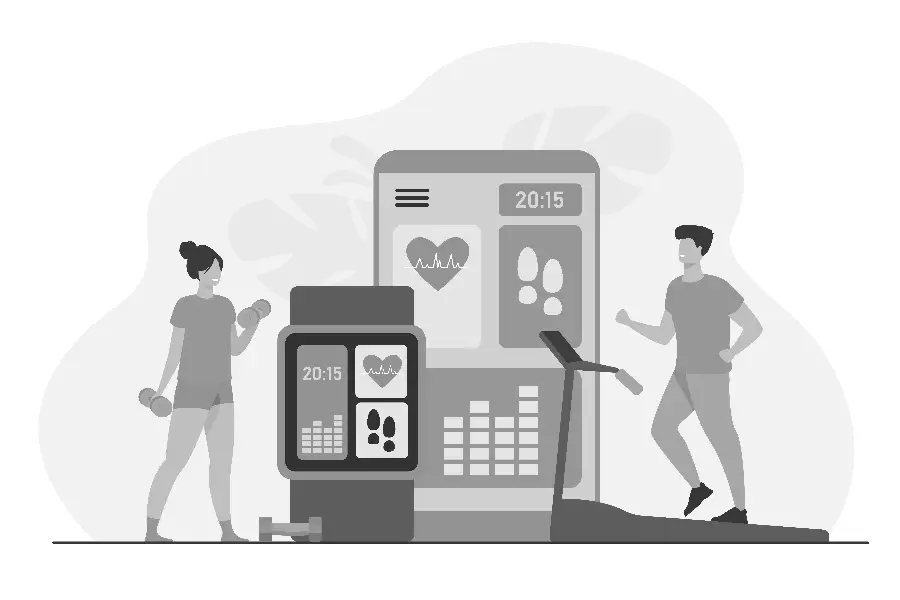
Your Private Health MOT can also give you and your doctor a better understanding of the true age of your heart with a lifetime risk calculator.
The calculator works out your lifetime risk and heart age using information such as your family history of heart disease and your lifestyle choices, including whether you smoke. Take the Heart Age test now.
There are some things about your risk that you can't change – like your age, ethnicity or family history. But the most important factors in your risk score – such as your BMI, cholesterol level and blood pressure – can be changed.

Your BMI Score
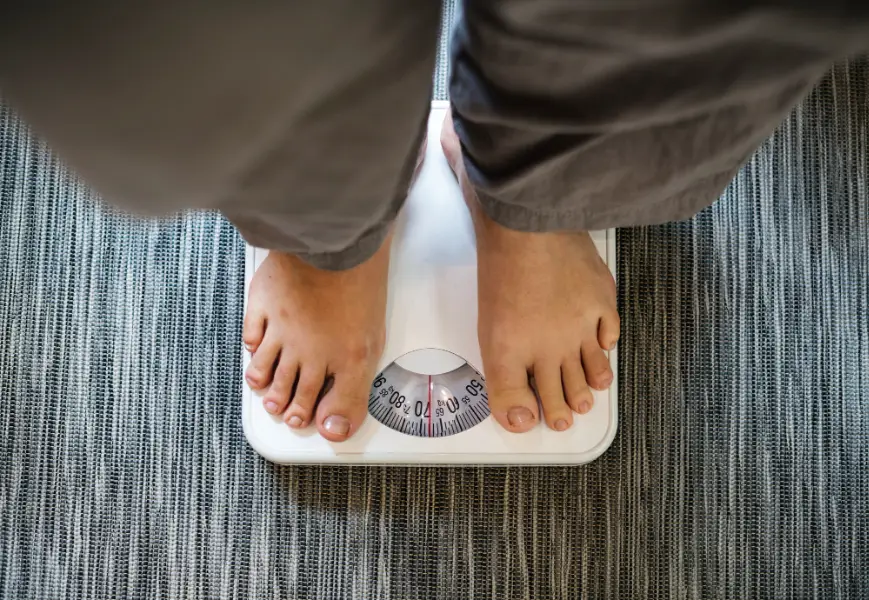
People who have a BMI in the overweight or obese category are at greater risk of a range of serious health conditions, including heart disease, stroke, type 2 diabetes and certain cancers.
How can I reduce my BMI?
How can I reduce my BMI?
If your BMI is higher than the healthy range (anything over a BMI of 25, or 23 if you are from a south Asian background), your health professional may refer you to a weight management service that could help you to achieve a healthy weight, as well as looking at your diet and activity levels.
You can use the BMI healthy weight calculator to keep track of your BMI as your weight changes and to get advice on the best ways to achieve a healthy weight.
Underweight?
A BMI below 18.5 indicates that you may be underweight. This could be a sign that you're not eating a healthy and balanced diet that contains enough energy for your needs. Or it may be a sign of a wide range of underlying health conditions.
Your Blood Pressure Score
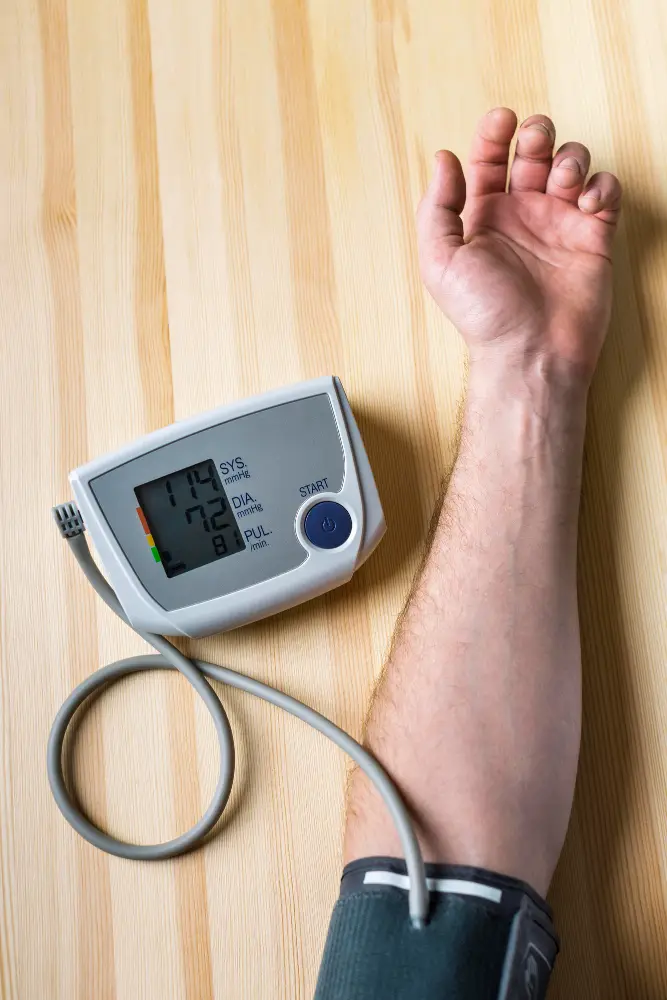
When your blood pressure is measured, the reading has a higher and a lower number:
- Your systolic blood pressure – this is the higher number indicating the pressure when your heart pumps blood out
- Your diastolic blood pressure – this is the lower number indicating the pressure when your heart rests
Normal blood pressure is between 90/60 and 140/90. If your result falls outside this range, the healthcare professional explaining your results will discuss this with you and what action to take.
High blood pressure is a problem because it increases the risk of serious health problems such as heart attack, stroke, type 2 diabetes and kidney disease. High blood pressure usually causes no symptoms, so it's possible to have high blood pressure without knowing it.
Having a single raised blood pressure reading does not necessarily mean you have high blood pressure. Blood pressure can go up and down throughout the day and in response to stress.
How can I reduce my blood pressure?
Blood pressure can be brought down by making changes such as:
- cutting down on salt (to 6g a day) and caffeine
- losing weight and becoming more active
- reducing alcohol intake
If necessary, your doctor may prescribe you with blood pressure-lowering medicines, but they will usually want you to try to make changes to your lifestyle habits first before prescribing.
Low blood pressure?
Low blood pressure doesn't necessarily indicate a health problem and is typical
* This service includes a finger prick blood test, and we may need to refer you to your GP for further tests if we identify that you are at high risk of developing cardiovascular diseases. This is a private service and charges apply.